Blog


How Critical is Vendor Qualification to Your Lab?
In this blog, we offer a list of factors to consider when qualifying the vendors who supply your most critical products.

Hand Protection
Working in a lab means you are going to be working with substances that just aren’t good for your health. This might be infectious agents or chemicals. In both cases, the risk may be very low or it may be extremely lethal or anything in between.
The most common vectors for entry into your body are through the skin, inhalation or ingestion. We will be focusing here on the skin vector and specifically on hand protection.
In all the years I have been dealing with labs, I can only think of one occasion where people were doing actual testing to see if the gloves they were using would actually protect the wearer!

Have Pipettor Manufacturers Buried Your Head in the Sand?
Is this the position you have been put in by your pipettor manufacturer? Have they convinced you that if you do not use their brand of tips no matter what the cost that you will be (insert gasp here…) introducing error into your experiments that may jeopardize your results? Why take the risk. Just accept this and bury your head in the sand. It makes your wallet much more accessible to them!

The Future of Lab Supplies Distribution
What is the future for the labs supplies distribution business? Nobody knows for sure, of course. However, there are signs that are predictors.

The Changing world of Lab Supplies
This article discusses the changes that have occurred in the Laboratory marketplace relative to how the prices of products are determined
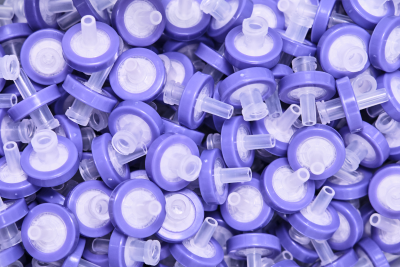
Syringe Filters - Are you paying too much?
Basics of syringe filter construction, choosing the correct product for the application, filter manufacturers, and pricing.

Water For The Lab
Water is used in every type of lab for everything from hand and glassware washing to some of the most complex biochemical assays. But in my experience, very few lab managers are knowledgeable about reagent grade water and only very few lab managers can provide a correct explanation of the differences between Type I, II and III water.

Better Communications
How can LPS compete against the likes of Thermo Fisher and VWR? Many of our long-term clients know the answer: We communicate better
What is the optimal level of customer care?
The seller must know and understand his buyer’s needs intimately.
Buyers expect the seller to respond to their needs promptly (goal: immediately.)
Buyers expect someone on the selling end to be personally responsible.
The buyer/seller relationship, where possible should be on a first-name basis.
The seller should be looking out for the customer’s interests proactively.

Finding a Quality Tip Manufacturer
How do you save money on pipet tips without jeopardizing your test results?
Would you be willing to jeopardize your results to save money by buying pipet tips that are inaccurate or contaminated? The answer is easy because the cost of introducing error far outweighs the money saved. So what is the "safe" choice? Here are the primary ways labs make the best choice:
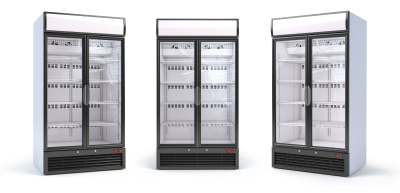
Refrigeration – It's Not That Simple
Fact: The average value of the contents of the average -86° freezer averages $150,000.
Question: What is the value of the contents of the refrigerator where you store your reagents or specimens?
Fact: Although refrigerators are built to last 10 – 15 years and are the second biggest source of power consumption in the lab (#1 is your fume hood) most labs buy based on the lowest price as the primary consideration.
Question: Is buying cheap refrigeration / freezing equipment really a good decision?