One of my best customers, who has been a great friend for nearly 25 years, buys a lot of pH meters and electrodes from us. They are measuring a slurry, which is relatively non-ionic, and may be as warm as 50C, in a bucket. For years they have been buying the Thermo Orion Star A321 meter and the Ross Triode electrodes in large numbers.
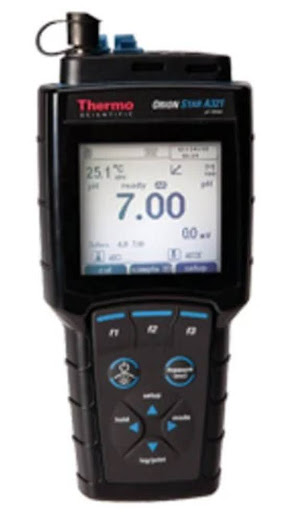
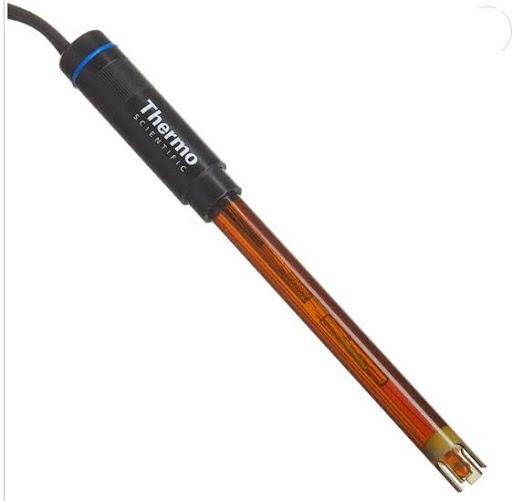
In 2018, the meter was selling for around $1,000. I 2024, on the Fisher website it sold for $2,320. The Ross electrode in 2020 could be purchased for around $350. Four years later, it retailed for $946.50.
This nearly 300% price increase has no obvious justification. It’s the same meter and the same electrode it has always been. Price increases like this, when coupled with intermittent quality issues with the electrodes (out of box failures) will get the most dedicated buyer to start looking for better alternatives.
Long before my friend even made the request, we at LPS proactively started to look for better options.
A year ago we became an Endress + Hauser distributor. I saw their product at an exhibit, but failed to see how revolutionary it is. I told my friend about it, and he asked me to arrange a demonstration. I received the CML 18 and a demo electrode. I will freely admit I was not impressed. If you look at these two meters, do you immediately see why the meter at the bottom is the next generation in pH technology? Only two buttons, really? Something that fits in the palm of your hand? ReallY?
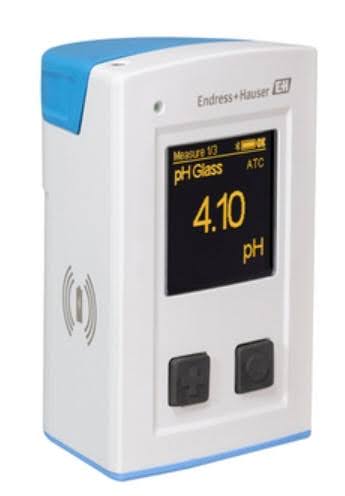
I was going to do the demo, so I had to sit down and learn how to use this meter. I started with a cheesy YouTube video. It wasn’t until then that I started figuring out how things went together. An electrode that is completely waterproof - no pins, no wires! A meter that you charge like your iPhone! An app that connects by Bluetooth and records! Electrodes that store the calibration data but are the same size as any typical electrode! The meter sells for less than the price of a single Ross electrode! How many other revolutionary products have I failed to see?
Why we stopped selling on Amazon
We conducted an experiment on Amazon, with the goal of landing at the top of the listing. We looked at every other bulk 200μl pipet tip that was listed and we priced our tips the lowest. When another listing was lower than ours, we lowered it more. Each time we did so, our tips ended up further down the list! By the time we ended the experiment we were on page 4!
The lesson here to the buyer is to look beyond the “Amazon’s Choice” items. They may be what Amazon favors, but in many cases is NOT the best offer. We pulled every item off their platform after conducting this experiment. You will never find our products listed on Amazon.
How is the sterility expiration date determined?
Did you ever wonder how the expiration date placed on a product is determined? The short answer to this question is that you have to prove that the product will remain sterile for the stated period of time. The rules governing this process are published by the FDA 21CFR211.166.
This means that if you want to provide, say, five years of dating on a product, you need to sterilize it, store it at the stated temperature / conditions for five years, retest it and confirm that it is still sterile.
This procedure seems reasonable; however, few manufacturers are willing to invest five years to guarantee sterility for that period of time. Socorex is one of the few who have. So why don’t U.S. manufacturers do this?
- Why wait? You are making a product. You are sending it off to be sterilized; why extend the shelf life beyond the minimum?
- A shorter expiration date means more sales! If your distributor isn’t rapidly selling the product, they will end up literally holding the bag - expired goods. They throw it away and order more.
This is why nearly every distributor will not take back sterile items. You can take advantage of this dilemma by buying pipet tips that have exceeded their expiration date and use them where sterility is not required, or just resterilize them!
Predicting in Unpredictable Times
China provides the U.S. with a huge portion of our routine lab supplies. The runner-up would be Mexico. Many U.S. manufacturers maintain production sites in Mexico. Many lab supplies are manufactured in Canada as well.
Moving all this manufacturing back to the U.S. at a time when millions of people could be deported from the available workforce, and when the unemployment rate sits at 4.1% is going to require huge investments of private capital and many years to implement. Would you invest in a company who planned to manufacture transfer pipette, slides and cover glasses here in the U.S.?
My prediction is that things right now are impossible to predict. Now is a time of great uncertainty in the market after an election for which the mandate was to lower inflation and prices. My prediction is that prices are headed in only one direction. Down is not it.
If history teaches any lessons, look for price increases immediately after any tariffs go into effect. With the anticipated retaliatory tariffs, look for domestic manufacturers to boost US prices to compensate for their decreased export sales.
Our advice to our customers is to always keep communicating - if you have concerns, talk to us! With our large network of suppliers, it's likely we can find competitively-priced sources for the products you need, and provide the best customer service in the business at the same time.