

This category covers large-volume centrifuge bottles and tubes for spinning cultures, cell suspensions and other bulk samples. Sizes in the range include 175, 225, 250 and 500 mL bottles and conical tubes, plus Oak Ridge style round-bottom tubes from 10 to 70 mL. Most are polypropylene (PP), with some polycarbonate (PC) bottles, and they come sterile or non-sterile with screw caps, seal caps or plug seal caps, packed in bags, packs or cases. Brands include CELLTREAT Scientific Products, Globe Scientific and Biomedical Polymers, and the category also has a coated wire rack for holding bottles.
To choose a bottle, start with your rotor: the bottle's diameter, height and shape (conical or flat bottom) must fit the rotor cavity or adapter, and its rated maximum RCF must be at or above the speed you plan to run. Polypropylene resists a wider range of chemicals, while polycarbonate is clear, so you can see the pellet. Pick sterile bottles for cell culture work, and a sealed cap style when samples must not leak.
Centrifuge Bottles: common questions
What sizes do centrifuge bottles come in?
Common centrifuge bottle sizes are 250 mL, 500 mL, 1 L and 2 L, with large conical tubes of 175 and 225 mL also widely used. The products in this category are mainly in the 175 to 500 mL range. Larger 1 L and 2 L bottles need a large-capacity centrifuge and a rotor built for that bottle size, so check your centrifuge's rotor list before choosing a size.
Should I choose polypropylene or polycarbonate centrifuge bottles?
Polypropylene is translucent and resists most acids, bases, alcohols and many organic solvents, which makes it a general-purpose choice. Polycarbonate is clear and strong, which makes the pellet easy to see, but it is attacked by some solvents and strong bases. Check a chemical compatibility chart for your sample and the bottle's rated RCF and autoclave instructions.
What is an Oak Ridge centrifuge tube?
Oak Ridge tubes are thick-walled, round-bottom centrifuge tubes with screw caps, made for high-speed fixed-angle rotors. Common sizes range from about 10 mL to 50 mL or more, and this category includes 10, 30, 50 and 70 mL Oak Ridge style tubes. Confirm that the tube's RCF rating and dimensions match your rotor.
Can centrifuge bottles be autoclaved?
Many polypropylene and polycarbonate bottles are sold as autoclavable, and several products here are labeled that way. Repeated autoclaving can weaken plastics over time, polycarbonate especially, so inspect bottles for cracks or crazing before each run. Loosen or remove caps during autoclaving, and follow the manufacturer's limits on cycles and temperature.
Related categories: Microcentrifuge · 15 and 50 ML Centrifuge Tubes · All Centrifuge Tubes
Top brands: CELLTREAT Scientific Products · Globe Scientific · Biomedical Polymers
Popular Centrifuge Bottles:
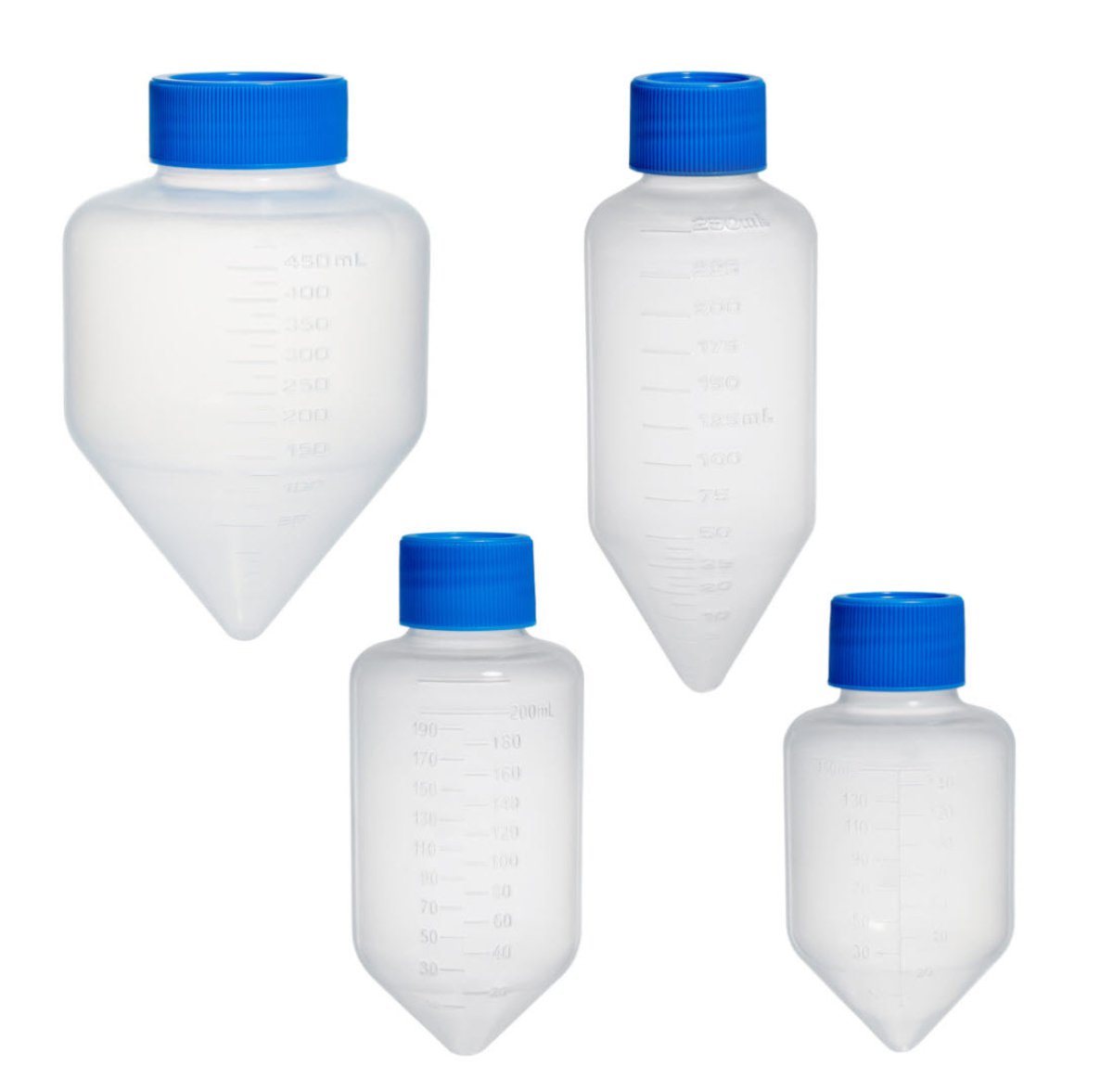
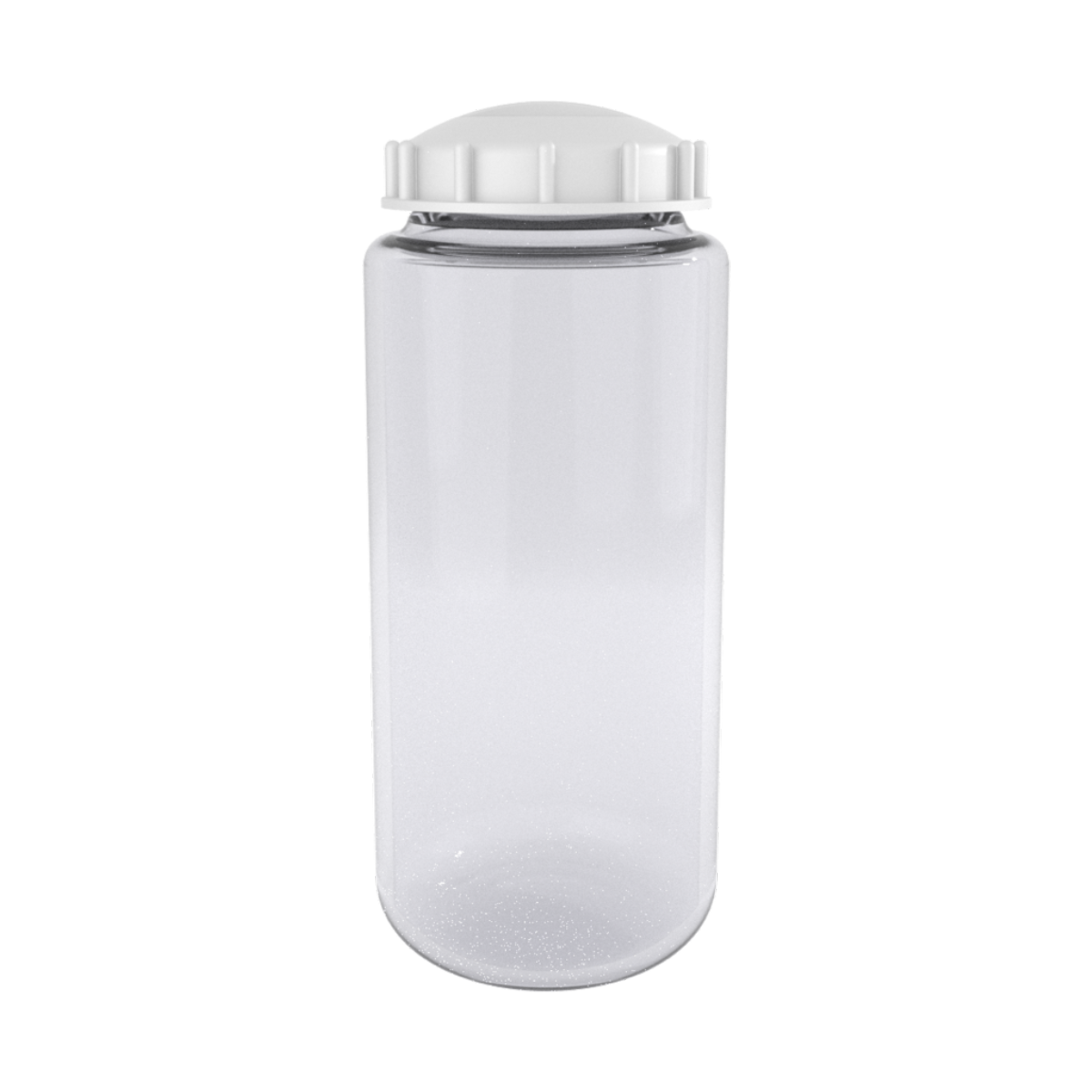
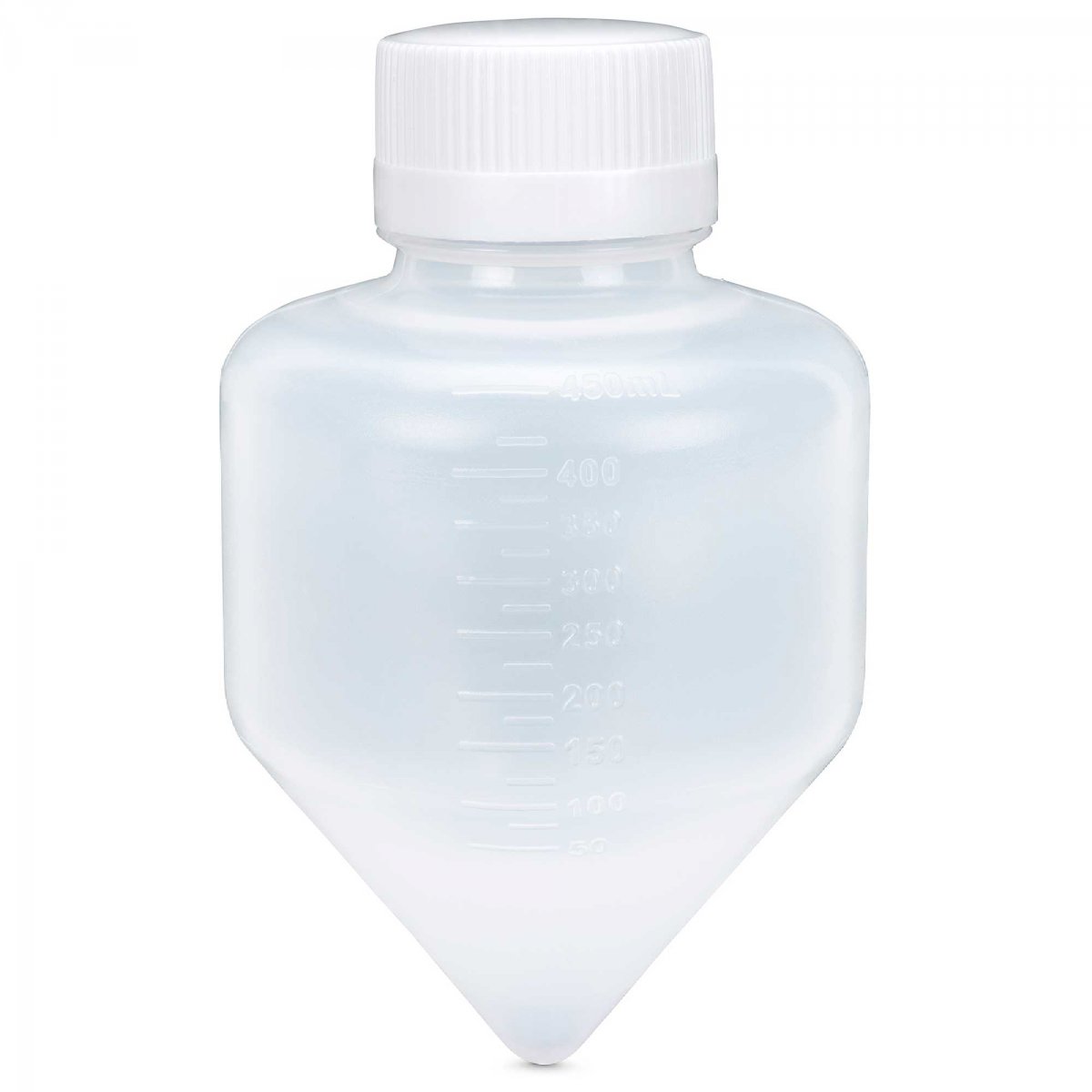
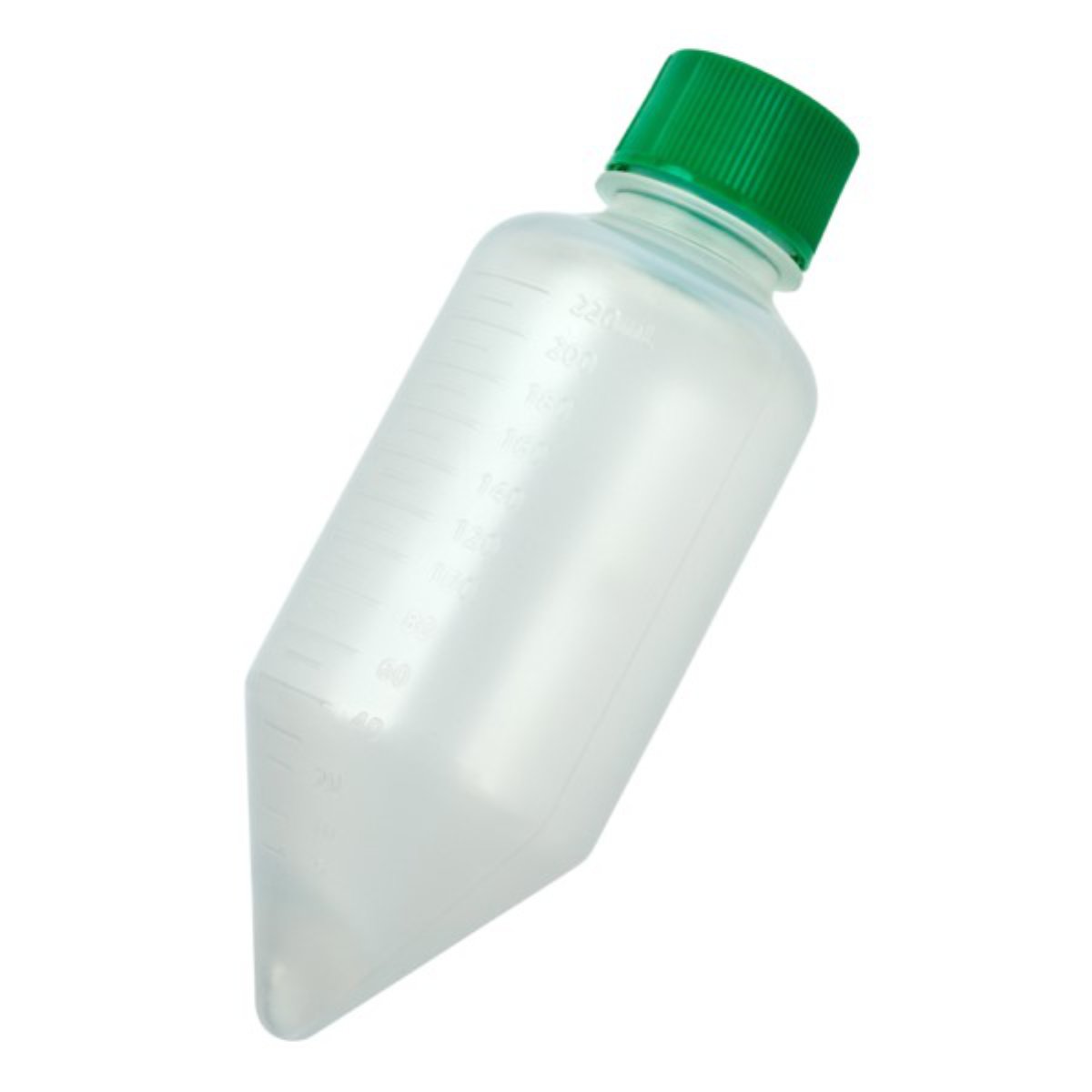
Centrifuge Bottles
-
 Coated Wire Centrifuge Bottle Rack 55-60mm 2x3 Format, BlueSKU: HS23224-EAManufacturer: Heathrow ScientificWire Centrifuge Bottle Rack Durable racks for transport or sample handling. Holds bottles and vessels up to 60 mm dia Chemically-resistant epoxy-coated steel wire racks Suitable for conical, round or fl at bottom glass or plastic tubes and bottles Autoclavable Slotted bottom (1 per EA )Learn Morewas $28.56 Special Price $27.90
- Manufacturer Heathrow Scientific Remove This Item


How Can We Help?
This is a custom sub-title.
LPS provides procurement services:
Strategic and customized product sourcing services to find the best vendorsUnparalleled customer service from dedicated procurement managers
Custom web portal where you can order items from any vendor on one site
Consolidate orders and invoices
Wholesale “club” pricing for members
Procure-to-Pay software solutions and process consulting
Enterprise procurement solutions designed for small and mid-sized labs